
10 ways to be easy to lead
🧭 Because influence isn’t one-size-fits-all… 🧭
DiSC Sales Workshop starts tomorrow
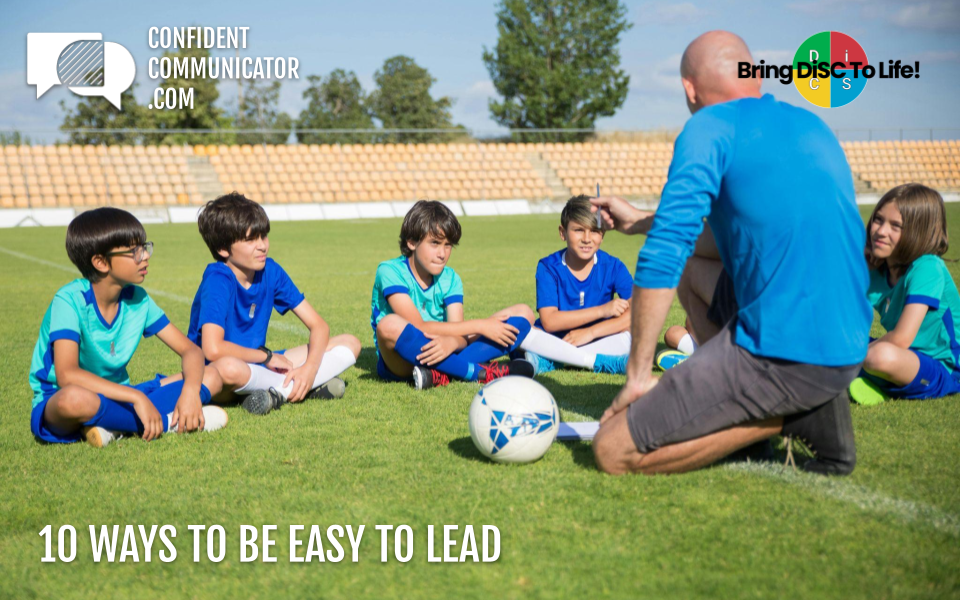
It’s Tuesday afternoon. Practice has been brutal, your legs feel like lead, and the gym is sweltering. In this moment, you have a choice. You can be just another player on the roster, or you can be easy to lead.
Being the player every coach wants isn't about being a follower; it’s a high-level leadership skill that shifts the entire energy of the team.
Here are 10 ways to be easy to lead:
After the coach pulls you aside for a correction, give them a fist bump, and say “Got it, Coach.” Respect earns trust. Trust earns opportunity.
When a teammate messes up, give them eye contact and say “Next play, we got this.” Leaders calm the room, not heat it up.
After YOU make a mistake, tap your chest and say “My Bad.” Get it on the next play. Accountability earns respect instantly.
When practice is brutal and everyone’s dragging, be the one who brings energy anyway. Effort when it’s hard is what separates good from great.
When Coach is talking to another player, stay engaged and listen like they are talking to you. Everyone’s feedback is YOUR feedback.
When your teammates have success, clap louder than you would for your own success. Secure people build others up.
Meet up with your Coach before practice, give a fist bump, and say “I appreciate you for being here.” Relationships matter as much as reps.
After practice, no matter what happened, fist bump coach and tell them “thank you.” Respect is money in the bank, but it requires deposits, so you have it when you need it.
When Coach gives you feedback, say “Got it, Coach” and apply it immediately. Coachability in action. No excuses. Just execution.
Always remember that everyone’s battling something outside the sport. Treat every teammate like they matter.
Now get out there and contribute.
✅ Put the 2 Minute Tip into action…Become More Influential & Build A Culture Of Open Communication in our supportive online community ✅